
How to buy a foreclosure at auction
At a foreclosure auction, a trustee or sheriff sells the home to the highest bidder, at the courthouse or online. Find the notice of sale, research the title, bring the funds the sale requires, and bid only up to your number. You usually can't go inside first, and the home is sold as-is.
Updated November 2026. A plain-language guide, not legal advice.
- Who sells it
- A trustee or sheriff, for the lender
- Where you find it
- Notices of sale, posted and recorded before the sale
- Can you inspect?
- Usually not inside
- How you pay
- Cash or certified funds, on the sale's terms
Step by step
The order most foreclosure auctions go in. Your county's rules and the deal in front of you can change it.
See foreclosure auctions on the map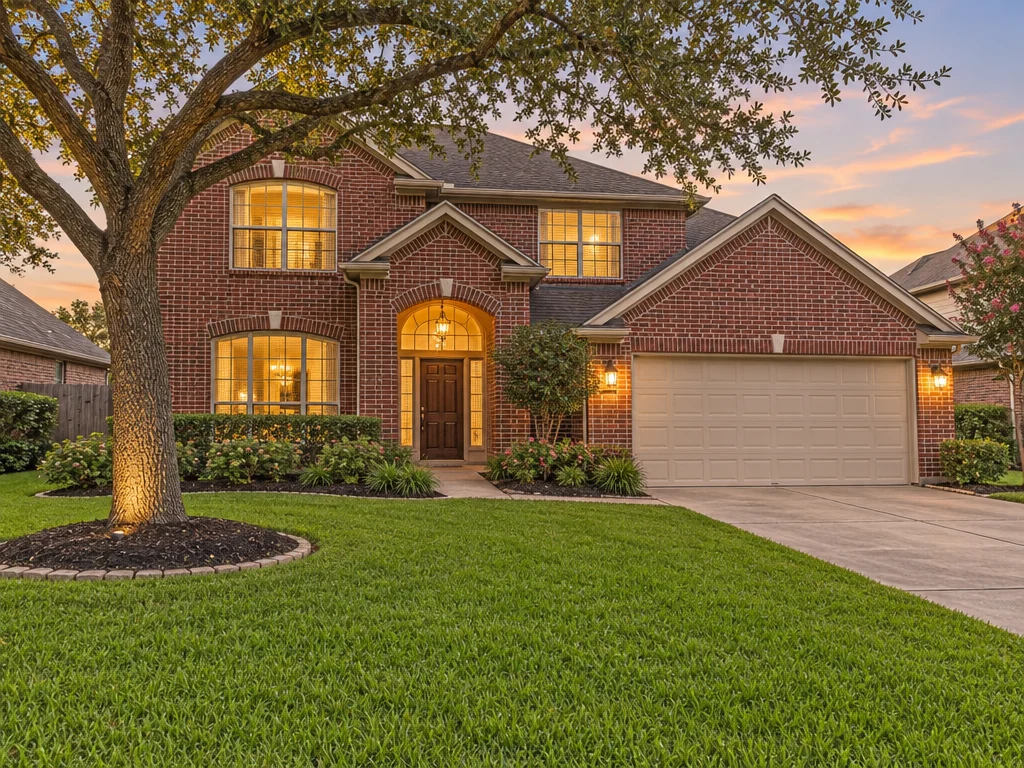
Find the notice of sale
Each notice names the property, the date, the time and the place. Your county brief lists the sales on the calendar and the dates that moved.
Research the title
Find out which loan is being foreclosed and what else is on the title. Some debts, like property taxes and certain HOA amounts, can survive the sale and become yours.
Drive by and set your number
Look at the outside, the street and the neighbors. Price in repairs you can't see, back taxes, possible occupants and your costs, then write down the most you'll pay.
Line up the money
Read the sale terms for the deposit and when the rest is due. Have the funds ready before sale day, in the form the trustee accepts.
Check the morning of, then bid
Sales get postponed or canceled, sometimes that day. Confirm the sale is still on, then stop bidding at your number.
What can go wrong
Liens that survive
A foreclosure usually wipes out loans recorded after the one being foreclosed, but not everything. Taxes, some HOA amounts and senior loans can stay.
People still living there
Owners or tenants may still be in the home. Getting possession can take time and a legal process in your state.
No inspection, no take-backs
You buy as-is. A low opening bid can still lose money once repairs and liens are counted.
Who you need
Lender with fast proof of funds
Auctions and bank sellers want proof you can close before they take you seriously.
Ask them: How fast can you send a proof-of-funds letter, and can you close in 10 days?
Title company
Finds the liens that survive a sale before they become your problem.
Ask them: Can you run a title search before the auction date?
Real estate attorney
Reads auction terms, deeds and occupant rules in your state.
Ask them: What happens if someone is still living in the home after I buy it?
Experts we work with
Local agents who work distressed and off-market homes, and a lender to call before you bid. Ask through us and we'll introduce you by email.



Robert Meche
Broker and owner, SWR Group at Keller Williams
Collin County, TX, Dallas County, TX, Denton County, TX, Cooke County, TX
Buying somewhere else? Tell us the county and we'll point you to someone.
Recommended lender

Cole Boren
Branch Manager, CMG Home Loans
Cole has nearly three decades in mortgage lending. He helps buyers plan a purchase around the bigger picture: the cash they keep, the home they own now and the timing of the move.
- What you can qualify for now
- Buying before you sell
- Which loan fits the home you want
Cole Boren, NMLS #384591. CMG Home Loans, NMLS #1820. Equal Housing Opportunity. Licensing varies by state. Check his NMLS record.
Real Estate Intel recommends people we work with. You're free to use any agent or lender.
Questions buyers ask
Can you inspect a foreclosure before the auction?
Usually not inside. You can look at the outside, check records and talk to neighbors. Price the risk of what you can't see into your bid.
Do you need cash to buy at a foreclosure auction?
Most trustee sales want cash or certified funds, with a deposit at the sale and the rest soon after. Read the terms in the notice, since they vary by state and trustee.
What happens if nobody bids at the auction?
The lender usually takes the home back. It becomes bank-owned, and the bank often lists it with an agent later.
Are online foreclosure auctions different?
The basics are the same: as-is, research first, set your number. Online sales add their own fees and bidding rules, so read each site's terms before you register.
Get your county's new foreclosure auctions every week
New default notices, sale dates and homes that went back to the lender. Free, one email a week.